


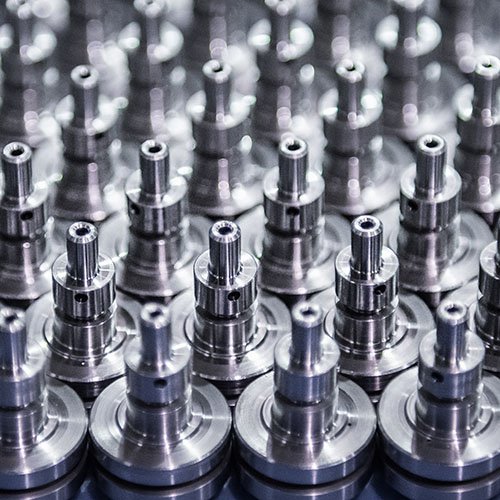
Technical cleanliness is a critical factor in automotive manufacturing, especially as vehicles become more advanced, precise, and reliant on complex mechanical, electrical, and fluid systems. From engine components and transmission parts to EV battery systems, braking components, sensors, and precision assemblies, even small particles or residues can create performance issues, quality concerns, and long-term reliability problems.
As automotive manufacturers work to improve safety, durability, efficiency, and consistency, contamination control has become an important part of the production process. Clean parts, clean handling practices, and clean material handling equipment all contribute to better outcomes on the shop floor. When contamination is not properly controlled, manufacturers may face increased rework, premature part wear, assembly issues, warranty claims, or customer dissatisfaction.
This article explores the importance of technical cleanliness in automotive manufacturing, common contamination challenges, and the role that proper handling equipment, including stainless steel carts and wire baskets, can play in supporting cleaner production environments.
What Is Technical Cleanliness in Automotive Manufacturing?
Technical cleanliness refers to the control of particles, fibers, oils, greases, residues, and other contaminants that may interfere with the performance or reliability of automotive parts. Unlike general cleanliness, technical cleanliness focuses on contaminants that can affect function. A component may appear visually clean but still contain microscopic particles or residues that create problems once the part is assembled into a vehicle system.
In automotive manufacturing, technical cleanliness may apply to machining, stamping, welding, washing, coating, assembly, packaging, storage, and transport. Parts must often be protected throughout the entire production process, not just during final cleaning. This makes contamination control a facility-wide responsibility.
Common automotive components affected by cleanliness requirements include:
- Engine and powertrain parts
- Transmission components
- Fuel system components
- Hydraulic and braking system parts
- EV battery components
- Electronic assemblies and sensors
- Precision machined parts
- Fluid handling components
- Valve bodies and pump components
Because many of these parts operate in tight tolerances or sensitive systems, contamination can have a direct impact on performance.
Why Technical Cleanliness Matters
Cleanliness is not just a quality preference. In automotive production, it is often tied directly to safety, reliability, compliance, and cost control. As vehicles become more complex, the consequences of contamination can become more serious.
Improved Product Quality
Technical cleanliness helps ensure that automotive components perform as intended. Particles, metal chips, dust, or residue can interfere with sealing surfaces, moving parts, electrical connections, fluid flow, and precision assemblies. By reducing contamination risks, manufacturers can improve product quality and reduce defects.
Reduced Rework and Scrap
Contamination can lead to rejected parts, extra inspection, additional cleaning steps, or full rework. In high-volume automotive production, even a small percentage of contaminated parts can create significant costs. Strong cleanliness practices help reduce avoidable waste and improve production efficiency.
Better Long-Term Reliability
Some contamination problems do not appear immediately. A particle trapped inside a fluid system or precision assembly may cause wear over time. Residual oils or residues may interfere with coatings, bonding, or sealing. By controlling contamination early, manufacturers can reduce the risk of long-term failures.
Support for Customer and Industry Requirements
Automotive OEMs and suppliers often must meet specific cleanliness expectations for parts and assemblies. Documented cleaning, inspection, handling, and packaging practices may be required to support customer quality programs and production standards.
Common Contamination Challenges in Automotive Manufacturing
Automotive manufacturing environments include many sources of contamination. Machining, material movement, cleaning, assembly, maintenance, and employee interaction can all introduce particles or residues into the production process.
Particulate Contamination
Particulate contamination includes dust, dirt, metal chips, fibers, abrasive particles, weld spatter, and other small debris. These particles may come from machining operations, cutting tools, packaging materials, floors, air movement, or nearby processes.
In precision automotive components, particles can cause scoring, clogging, abrasion, sealing problems, or assembly interference. This is especially important for parts used in powertrain, braking, fuel, hydraulic, and EV systems.
Oil, Grease, and Processing Residues
Manufacturing processes often involve coolants, lubricants, rust preventives, stamping oils, cutting fluids, and other substances. While these materials may be necessary during production, residues can become a contamination issue if they remain on parts at the wrong stage of the process.
Oil and grease residues may attract additional particles, interfere with coating or bonding, or create inconsistent results during cleaning and inspection. Proper washing, drying, storage, and handling are important for preventing residues from becoming a recurring quality problem.
Cross-Contamination Between Processes
Cross-contamination occurs when contaminants from one area, part, process, or piece of equipment are transferred to another. This can happen through carts, baskets, gloves, tools, air movement, packaging, or shared work surfaces.
For example, a basket used for dirty parts before washing should not be used for clean parts after washing unless it has been properly cleaned. Similarly, carts used in one department may carry debris into another area if cleanliness zones are not managed carefully.
Contamination During Internal Transport
Parts often move through multiple areas before final assembly or shipping. Each transfer creates an opportunity for contamination or damage. Parts may be exposed to floor debris, contact with other components, unclean containers, or unnecessary handling.
This is where proper material handling equipment becomes especially important. Carts, racks, and baskets should be designed to support part separation, visibility, drainage, cleanability, and secure transport.
Assembly Line Contamination
Assembly operations can introduce contamination through tools, fixtures, fasteners, employees, packaging, and surrounding equipment. Since assembly lines often bring multiple parts together, contamination at this stage can be difficult to isolate and correct.
Maintaining technical cleanliness across assembly areas requires consistent procedures, trained employees, clean handling equipment, organized storage, and attention to each step of the workflow.
How Material Handling Equipment Supports Technical Cleanliness
Cleanliness programs often focus on washing systems, inspection methods, and cleanroom procedures. However, material handling equipment is also an important part of contamination control. Parts can be cleaned properly and still become contaminated if they are placed into dirty containers, stacked improperly, or transported on equipment that is difficult to maintain.
Custom carts, racks, and baskets can help facilities reduce contamination risks by improving how parts are stored, moved, separated, drained, dried, and accessed.
Stainless Steel Carts for Cleaner Part Transport
Stainless steel is often used in environments where durability, corrosion resistance, and cleanability are important. In automotive manufacturing, stainless steel carts can support cleaner internal transport by providing a strong, washable, and long-lasting platform for moving parts between processes.
Custom carts can be designed with smooth surfaces, open frames, heavy-duty casters, ergonomic handles, shelves, dividers, or part-specific supports. For clean manufacturing areas, the ability to wash, inspect, and maintain carts can help reduce the chance that the cart itself becomes a contamination source.
Wire Baskets for Washing, Draining, and Handling
Automotive parts frequently move through cleaning, washing, drying, coating, inspection, and staging processes. Custom wire baskets can help support these steps by allowing fluids to drain, air to circulate, and parts to remain visible.
Salco Engineering manufactures stainless steel baskets and custom wire basket solutions for demanding industrial applications. In technical cleanliness workflows, wire baskets can be designed around part geometry, spacing requirements, cleaning access, and transport needs.
Benefits of wire baskets for contamination control may include:
- Open construction for better drainage and airflow
- Reduced hidden areas where debris can collect
- Improved visibility of parts during handling
- Custom compartments to separate components
- Durable construction for repeated washing or processing
- Optional handles, lids, dividers, or stacking features
When baskets are designed around the specific part and cleaning process, they can help reduce unnecessary handling while supporting cleaner, more consistent results.
Strategies for Addressing Contamination Challenges
Technical cleanliness requires a complete approach that includes equipment, processes, training, inspection, and facility organization. Automotive manufacturers often combine several strategies to reduce contamination risks.
Defined Cleanliness Zones
Separating dirty, intermediate, and clean areas can help reduce the risk of cross-contamination. Material handling equipment should be assigned and maintained according to the cleanliness level of each area.
Advanced Cleaning Technologies
Ultrasonic cleaning, aqueous washing, solvent cleaning, high-pressure cleaning, vacuum drying, and other technologies may be used to remove particles and residues from components. The effectiveness of these systems can be improved when baskets and fixtures allow proper fluid access, drainage, and part separation.
Robotic Automation
Automation can reduce unnecessary human contact with parts and improve repeatability. Robotic handling, automated loading, and controlled transfer systems may reduce contamination risks when integrated with properly designed baskets, racks, and fixtures.
Preventive Maintenance
Manufacturing equipment, carts, baskets, tools, and workstations should be inspected and maintained regularly. Worn surfaces, damaged coatings, loose hardware, and dirty handling equipment can all contribute to contamination.
Employee Training
Employees play a major role in maintaining technical cleanliness. Training should cover proper handling practices, cleanliness zones, equipment use, glove protocols, cleaning procedures, and how to identify contamination risks.
Design Considerations for Carts and Baskets in Clean Automotive Workflows
When selecting or designing carts and baskets for technical cleanliness applications, manufacturers should consider more than load capacity. The equipment must support the cleanliness requirements of the part and process.
Important design considerations include:
- Material selection, including stainless steel when cleanability and corrosion resistance are priorities
- Open construction for drainage, airflow, and visual inspection
- Part spacing to reduce contact and trapped debris
- Smooth surfaces that are easier to clean
- Proper caster selection for the production environment
- Compatibility with washing, drying, or processing systems
- Secure containment to prevent parts from shifting during transport
- Ergonomic access to reduce unnecessary handling
- Durability for repeated industrial use
A custom approach allows the handling equipment to be designed around the cleanliness requirement instead of forcing the process to adapt to a standard cart or basket.
Technical Cleanliness and the Future of Automotive Manufacturing
As automotive manufacturing continues to evolve, cleanliness requirements will remain important. EV systems, advanced sensors, electronic controls, lightweight materials, and precision fluid systems all increase the need for controlled handling and contamination prevention.
Manufacturers that invest in better cleanliness practices, cleaner workflows, and properly designed material handling equipment can improve quality and reduce risk. Technical cleanliness is not limited to a single cleaning step. It is supported by every stage of production, from machining and washing to transport, storage, assembly, and packaging.
Custom Carts and Baskets for Cleaner Automotive Manufacturing
Technical cleanliness is essential for automotive manufacturers that need reliable components, consistent production quality, and reduced contamination risk. While cleaning systems and inspection methods are important, the equipment used to move and store parts also plays a major role in maintaining cleanliness throughout the production process.
Salco Engineering designs and manufactures custom carts, trolleys, wire baskets, racks, and material handling solutions for automotive manufacturing environments. From stainless steel carts for clean transport to custom wire baskets for washing, draining, and part separation, Salco can build equipment around your production workflow and cleanliness requirements.
To learn more about custom carts, stainless steel baskets, and material handling equipment for automotive manufacturing, contact Salco Engineering today.