


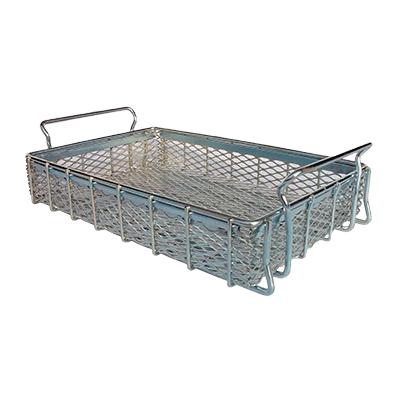
Manufacturing baskets are used in demanding environments where parts must be cleaned, washed, transported, stored, staged, inspected, or moved through different phases of production. Because these baskets are often exposed to moisture, chemicals, cleaning agents, repeated handling, abrasion, and daily production wear, the right finish can have a major impact on long-term performance.
Electropolishing is one finishing process that can significantly improve the surface quality, corrosion resistance, cleanability, and durability of stainless steel manufacturing baskets. This electrochemical process removes a thin layer of surface material from the metal, leaving behind a smoother, brighter, and more passive surface. For manufacturers that rely on stainless steel baskets in food processing, pharmaceutical, medical, aerospace, automotive, and industrial applications, electropolishing can help improve basket performance while supporting cleaner and more reliable material handling.
When baskets are used to hold precision parts, delicate components, food-contact items, or materials that require clean processing, the surface condition of the basket matters. Burrs, weld discoloration, rough areas, embedded contaminants, and microscopic imperfections can affect cleaning, corrosion resistance, and part protection. Electropolishing helps address these concerns by improving the metal surface itself.
What Is Electropolishing?
Electropolishing is an electrochemical finishing process commonly used on stainless steel and other metal components. During the process, the metal part is immersed in an electrolyte bath and connected to a controlled electrical current. This current removes a very thin layer of material from the surface, reducing microscopic peaks, burrs, rough areas, and other surface imperfections.
The result is a smoother, cleaner, and more uniform finish. Unlike mechanical polishing, which can smear material or leave directional marks on the surface, electropolishing removes metal in a controlled way. This can help reduce surface roughness, improve passivation, and remove contaminants that may have been introduced during fabrication, welding, cutting, forming, or handling.
For manufacturing baskets, electropolishing can be especially valuable because baskets often include wire intersections, welded joints, formed handles, reinforced frames, dividers, and part-holding features. These areas can be difficult to finish by hand. Electropolishing can reach complex surfaces more effectively than many mechanical finishing methods, making it a strong option for custom stainless steel baskets with detailed designs.
Why Basket Finish Matters in Manufacturing
The finish of a manufacturing basket affects more than appearance. In production environments, baskets may go through repeated cycles of loading, unloading, washing, draining, drying, staging, and transport. A rough or contaminated surface may collect debris, retain moisture, or become more difficult to clean over time.
A smoother basket finish can help improve performance in applications where baskets are exposed to:
- Water, humidity, or washdown processes
- Cleaning chemicals or sanitizing agents
- Food residue, oils, coolants, or processing fluids
- Repeated handling and movement
- Corrosive or chemically active environments
- Delicate parts that require surface protection
- Strict cleanliness or sanitation requirements
- Inspection, drying, or finishing processes
By improving the surface condition of the basket, electropolishing can help manufacturers reduce maintenance challenges, protect handled parts, and support better long-term usability.
Key Benefits of Electropolishing Manufacturing Baskets
Improved Corrosion Resistance
One of the most important electropolish benefits is improved corrosion resistance. Stainless steel already provides strong corrosion-resistant properties, but fabrication processes such as welding, cutting, bending, grinding, and handling can introduce surface contamination or create areas that are more vulnerable to corrosion.
Electropolishing removes free iron, embedded contaminants, heat tint, burrs, and microscopic surface defects that may contribute to corrosion. The process also helps enhance the passive oxide layer on stainless steel, improving the metal’s ability to resist rust and chemical attack.
This is especially valuable for baskets used in washdown areas, food production facilities, pharmaceutical processing, medical manufacturing, parts washing systems, and other environments where moisture or chemicals are present. Improved corrosion resistance can help extend basket service life and reduce the need for premature replacement.
Smoother Surfaces for Easier Cleaning
Manufacturing baskets are often used in processes where cleanliness matters. If a basket surface contains pits, burrs, sharp edges, rough weld areas, or microscopic irregularities, contaminants may be more likely to cling to the surface. This can make cleaning more difficult and less efficient.
Electropolishing creates a smoother, cleaner surface that is easier to rinse, wipe, and maintain. This can help reduce buildup from processing residue, food particles, oils, coolants, powders, or cleaning solutions. For industries with sanitation requirements, a smoother basket surface can support more efficient cleaning routines and cleaner production environments.
In applications where baskets are used for washing or processing parts, smooth surfaces can also help improve drainage and reduce the likelihood of trapped material. A cleaner basket can contribute to a more reliable process and better product quality.
Reduced Burrs and Surface Imperfections
Custom manufacturing baskets often include welded wire, formed frames, handles, dividers, and part-holding features. During fabrication, small burrs, rough edges, or surface imperfections may occur. These areas can create cleaning challenges, increase abrasion, or affect the way parts sit inside the basket.
Electropolishing can help reduce burrs and smooth high points on the metal surface. This is especially useful for baskets that hold delicate, machined, polished, or high-value components. A smoother basket surface may help reduce the risk of scratching or surface damage during handling, washing, staging, or transport.
When baskets are used in production environments where part protection is important, surface quality should be considered as part of the overall basket design.
Enhanced Passivation and Chemical Resistance
Passivation is one of the main reasons stainless steel performs well in demanding environments. Stainless steel forms a thin protective oxide layer that helps resist corrosion. Electropolishing supports and enhances this passive layer by removing surface contamination and leaving behind a cleaner, chromium-rich surface.
This improved passive surface can provide better resistance to certain chemicals and cleaning agents. For manufacturing baskets used in processing environments, this added protection can help maintain performance over repeated cleaning and production cycles.
Applications that involve chemical exposure, sanitizing processes, acidic materials, or aggressive cleaning routines may benefit from an electropolished finish, especially when the baskets are expected to remain in service for long periods.
Improved Durability and Long-Term Performance
Electropolishing can contribute to longer basket life by reducing surface defects that may act as starting points for corrosion, fatigue, or wear. While the process does not change the core strength of the metal, it can improve the condition of the outer surface, which is often where many performance issues begin.
For baskets exposed to repeated loading, unloading, washing, and transport, long-term durability is important. A smoother, more corrosion-resistant surface can help the basket remain easier to clean and maintain over time. This can reduce downtime, lower replacement frequency, and improve the return on investment for custom stainless steel baskets.
Better Appearance and Professional Finish
Electropolishing gives stainless steel a brighter and more uniform appearance. While appearance may not be the primary concern in every industrial application, it can be important in industries where cleanliness, professionalism, and visual inspection matter.
A bright, smooth finish can make baskets easier to visually inspect for debris, residue, or damage. It also provides a clean and professional look for equipment used in food processing, medical environments, laboratories, and customer-facing production areas.
Consistent Results for Custom Basket Designs
Electropolishing is a controlled process that can produce consistent results across multiple baskets or production runs. This consistency is valuable for manufacturers that need repeatable equipment performance, especially when baskets are used in standardized processes.
Custom baskets may be designed with specific wire spacing, part-holding features, handles, stacking geometry, or washing requirements. A consistent electropolished finish helps ensure that each basket meets the desired surface quality expectations.
A Long-Lasting Alternative to Some Coatings
In some applications, coatings may be used to protect baskets, reduce contact damage, or improve corrosion resistance. Coatings can be effective when matched to the right application, but they may wear, chip, or require maintenance over time.
Electropolishing is different because it improves the stainless steel surface rather than adding a separate layer on top of it. This can make it a strong option for environments where a coating may not be ideal due to cleaning, sanitation, abrasion, temperature, or chemical exposure. For companies evaluating different finishing options, electropolishing and powder coating can each provide benefits depending on the material, environment, and basket application.
Industries That Benefit from Electropolished Manufacturing Baskets
Electropolished manufacturing baskets can be used in many industries where cleanliness, corrosion resistance, and part protection are important. Because the finish supports a smoother and more corrosion-resistant surface, it is often selected for applications where baskets are exposed to cleaning processes, moisture, chemicals, or sensitive parts.
Common applications include:
- Food processing and commercial bakery production
- Medical device manufacturing
- Pharmaceutical processing
- Aerospace component handling
- Automotive parts washing and staging
- Industrial cleaning and finishing operations
- Precision machined part handling
- Laboratory and clean manufacturing environments
In automotive and industrial environments, electropolished baskets may be used to support cleaner parts washing, drying, and inspection processes. In food and medical environments, they may help support sanitation goals and easier maintenance. In aerospace and precision manufacturing, they may help protect delicate parts while offering a clean, corrosion-resistant handling solution.
Design Considerations for Electropolished Baskets
To get the most benefit from electropolishing, basket design should be considered early in the project. The layout, wire spacing, weld locations, part supports, frame structure, drainage points, and operator handling features can all affect how the basket performs after finishing.
Important design considerations include:
- Part size, weight, and geometry
- Cleaning or washing process requirements
- Drainage and airflow needs
- Basket stacking or nesting requirements
- Operator handling and ergonomics
- Exposure to chemicals, moisture, or heat
- Need for part separation or protection
- Compatibility with carts, conveyors, washers, or storage systems
Salco Engineering can design custom manufacturing baskets around the specific parts, process, and environment. When electropolishing is desired, the basket can be designed with cleaning, drainage, surface finish, and long-term performance in mind.
Electropolishing vs. Other Basket Finishes
Different basket finishes serve different purposes. Stainless steel may be electropolished for corrosion resistance, smoothness, and cleanability. Steel baskets may be plated, painted, or powder coated for durability, appearance, or product protection. Some applications may require nylon coating or another protective finish to reduce part contact damage.
The best finish depends on the application. A basket used in a washdown food production environment may benefit from stainless steel and electropolishing. A basket used for dry storage of industrial parts may be well suited for powder coating or plating. A basket used for delicate finished components may require protective contact surfaces or custom dunnage.
Because each environment is different, finish selection should be based on how the basket will be used, cleaned, loaded, moved, and maintained.
Custom Electropolished Basket Solutions from Salco
Electropolishing manufacturing baskets can improve corrosion resistance, cleanability, surface smoothness, and long-term performance. For facilities that depend on stainless steel baskets in demanding environments, this finishing process can help support cleaner handling, easier maintenance, and more durable equipment.
Salco Engineering designs and manufactures custom baskets for automotive, aerospace, food production, medical, industrial, and other manufacturing applications. Whether your operation needs electropolished stainless steel baskets for washing, storage, transport, staging, inspection, or product protection, Salco can build a solution around your specific process.
To discuss a custom basket for your facility, contact Salco today for a quote.