

In today’s fast-moving supply chain environment, warehouse efficiency depends on more than storage capacity. From receiving and inventory control to order picking, packing, staging, and shipping, every movement inside the facility affects productivity, labor costs, accuracy, and customer satisfaction. When materials are difficult to move, poorly organized, or handled too many times, the entire warehouse workflow can slow down.
Custom warehouse carts are one of the most practical ways to improve day-to-day warehouse material handling. Unlike standard carts that may not match the product, aisle layout, load capacity, or workflow, custom carts can be designed around the exact needs of the operation. This allows facilities to improve movement, reduce wasted steps, protect products, and create a more organized process from receiving through outbound shipping.
At Salco Engineering & Manufacturing, warehouse cart solutions are designed to support real-world material handling challenges. Whether a facility needs order picking carts, transport carts, mobile storage carts, pallet carts, stock picker carts, or specialty carts for unique products, custom equipment can help improve warehouse efficiency and long-term performance.
The Role of Material Handling in Modern Warehousing
Warehouses serve as critical hubs for storage, sorting, fulfillment, inventory management, and distribution. As customer expectations increase and fulfillment timelines become shorter, warehouses need systems that keep products moving with minimal delay. Material handling is the movement, protection, storage, and control of goods throughout the facility, and it plays a direct role in how efficiently a warehouse operates.
Effective material handling supports every major warehouse process, including:
- Unloading inbound shipments
- Sorting and staging received goods
- Transporting materials to storage areas
- Managing work-in-process inventory
- Picking and packing outbound orders
- Moving goods between departments
- Staging shipments for final delivery
- Returning empty containers, totes, or carts to their next use point
When material handling is inefficient, employees may spend unnecessary time walking, searching, lifting, sorting, or waiting for equipment. Custom material handling equipment helps reduce these bottlenecks by giving workers tools designed specifically for the products they handle and the layout they work in.
Why Standard Warehouse Carts Often Fall Short
Many warehouses start with off-the-shelf carts because they are easy to purchase and may work for basic transport. However, standard carts are not always designed for the specific challenges of industrial, logistics, or fulfillment environments. They may be too wide for aisles, too weak for heavy loads, too shallow for secure containment, or too generic for organized picking and staging.
Over time, these mismatches can lead to workflow problems. Employees may need multiple carts to complete one task. Products may shift or become damaged during movement. Cart shelves may not align with workstations, conveyors, racks, or packaging areas. Heavy or awkward items may require extra lifting, increasing fatigue and injury risk.
Custom material handling solutions address these issues by tailoring the cart to the application. Instead of forcing the warehouse team to work around the limitations of a standard cart, the cart is designed around the workflow, product mix, and facility layout.
Common Challenges in Warehouse Material Handling
Every warehouse is different, but many facilities face similar challenges when moving products, parts, packages, tools, and supplies throughout the building.
Diverse Inventory Requirements
Warehouses often handle a wide variety of products. Some items may be small and fragile, while others are heavy, bulky, irregularly shaped, or difficult to stack. A single standard cart may not support this range effectively.
Custom carts can be designed with shelves, dividers, compartments, rails, baskets, trays, or custom inserts and dunnage solutions to help keep products separated and secure during transport. This is especially important for parts or products that are easily scratched, dented, mixed, or damaged.
Limited Floor Space
Warehouse space is valuable. Aisles, staging areas, packing stations, and storage zones must be carefully planned to keep products moving without creating congestion. Oversized or poorly designed carts can block traffic, reduce accessibility, and make it harder for employees to work efficiently.
Custom carts can be sized to fit existing aisles, storage racks, conveyors, workstations, and loading areas. By designing the cart around the space available, warehouses can improve mobility without sacrificing storage or staging capacity.
Workplace Safety and Ergonomics
Manual lifting, pushing overloaded carts, reaching into poorly designed containers, and moving unstable loads can increase the risk of worker strain and injury. Ergonomic cart design helps employees move materials with better control and less physical stress.
Important safety and ergonomic features may include:
- Proper handle height
- Heavy-duty casters matched to the floor surface
- Braking or locking caster options
- Stable cart frames
- Accessible shelf heights
- Raised edges or containment rails
- Reduced need for bending, lifting, or reaching
When warehouse carts are easier and safer to use, employees can work more efficiently while reducing unnecessary strain.
The Need for Speed and Accuracy
Order accuracy and fulfillment speed are major priorities in modern warehouses. If carts are not organized properly, employees may spend extra time sorting items, verifying orders, or correcting mistakes. In fast-paced picking and packing environments, small inefficiencies can add up quickly.
Custom warehouse carts can support batch picking, zone picking, order staging, packing workflows, and inventory movement by keeping products organized from the beginning. Features such as tote positions, label holders, shelves, dividers, and dedicated order locations can help reduce confusion and improve accuracy.
How Custom Warehouse Carts Improve Efficiency
Custom carts are designed around the products, people, processes, and space within a warehouse. This makes them more than simple transport equipment. They become part of the facility’s overall material handling strategy.
Designed Around Your Inventory
Different products require different handling methods. A warehouse handling long metal parts will need a different cart than a fulfillment center handling small boxes or totes. A facility moving heavy industrial components will need a different design than a warehouse staging lightweight packaged goods.
Custom carts can be built around product dimensions, weight, fragility, and storage requirements. This helps reduce wasted space, protect products, and improve loading and unloading efficiency.
Built for Space Optimization
Custom cart dimensions can be matched to aisle widths, rack openings, dock areas, workstations, and packing lines. This helps employees move materials without blocking traffic or creating congestion.
For facilities with limited space, carts may be designed with vertical shelving, compact footprints, nesting capabilities, stackable features, or narrow frames that still support the required load capacity.
Improved Organization and Visibility
Organized carts make warehouse tasks easier to complete. When items are clearly separated and easy to see, employees can pick, count, inspect, and stage materials more efficiently.
Custom cart features for organization may include:
- Multiple shelves
- Tote holders
- Wire baskets
- Dividers and compartments
- Label plates or barcode areas
- Removable trays
- Part-specific supports
- Document or packing slip holders
Better organization can reduce search time, improve picking accuracy, and support cleaner staging areas.
Reduced Product Damage
Products can be damaged when they shift, collide, fall, or are handled too many times. Custom material handling solutions can be designed to keep items stable and separated during movement.
For example, carts may include padded contact points, custom dunnage, containment rails, shelves with lips, or compartments sized to fit the product. These design details help reduce damage during transport, especially for high-value, delicate, or irregular items.
Single-Touch Handling
One of the best ways to improve warehouse efficiency is to reduce the number of times employees handle the same item. A custom cart can often support multiple steps in a process, such as picking, staging, transport, and delivery to a packing station.
By reducing unnecessary transfers between containers, pallets, shelves, and workstations, warehouses can improve throughput while reducing the chance of errors or damage.
Types of Custom Carts for Warehouse Applications
Salco designs and fabricates a wide range of custom carts for warehouse, fulfillment, logistics, and industrial applications. Each cart can be built around the specific job it needs to perform.
Order Picking Carts
Order picking carts are used in fulfillment centers, distribution centers, and warehouses where employees collect items for customer orders. These carts can be designed with shelves, tote positions, dividers, barcode holders, label areas, and ergonomic handles.
Custom order picking carts can support batch picking, wave picking, zone picking, and other fulfillment strategies. By organizing multiple orders or product groups on one cart, facilities can reduce walking and improve picking speed.
Material Transport Carts
Material transport carts are used to move products, parts, tools, raw materials, work-in-process inventory, or finished goods throughout a facility. These carts may include reinforced frames, tow bars, heavy-duty casters, side rails, wire shelves, solid shelves, or custom containment features.
Transport carts are especially useful when materials need to move repeatedly between storage, production, inspection, packaging, and shipping areas.
Mobile Storage Carts
Mobile storage carts help keep frequently used items organized and accessible. They may be used for tools, supplies, inventory, parts, packaging materials, maintenance equipment, or staged orders.
Because they are mobile, these carts allow materials to be brought directly to the point of use. This can improve efficiency in facilities where layouts change often or where employees need flexible storage options.
Stock Picker Carts
Stock picker carts are useful for warehouses and distribution centers that need better product flow during picking and replenishment tasks. These carts can be designed for product visibility, accessibility, and secure transport between aisles and staging areas.
Depending on the workflow, stock picker carts may include multiple shelves, baskets, tote locations, dividers, or pull handles. Their purpose is to help employees pick products efficiently while keeping orders organized.
Pallet Carts and Heavy-Duty Warehouse Carts
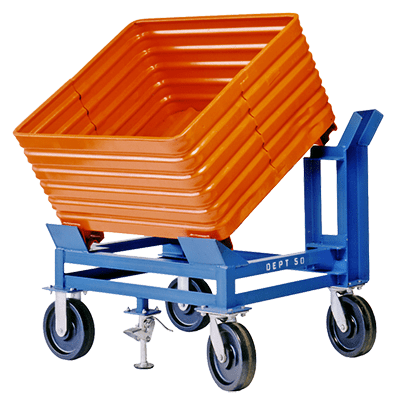
Pallet carts and heavy-duty carts are used for larger or heavier loads that require strong frames and durable caster systems. These carts can help reduce forklift dependence for short-distance moves and provide more flexible movement within production or warehouse areas.
Heavy-duty cart designs may include reinforced platforms, tow bars, push handles, braking systems, side containment, or custom deck surfaces.
Specialty Warehouse Carts
Some operations require carts with specialized features that go beyond standard picking or transport. Salco can develop specialty carts that integrate adjustable work surfaces, protective enclosures, charging stations, drainage features, or fluid drainage systems.
These carts are designed to fit unique workflows where off-the-shelf options are not enough.
Benefits of Investing in Custom Warehouse Carts
Custom warehouse carts can provide long-term value by improving productivity, safety, organization, and product protection. While a standard cart may seem convenient upfront, a custom cart often performs better because it is designed for the exact work being done.
Benefits of custom carts may include:
- Faster picking and staging times
- Reduced walking and wasted motion
- Improved product protection
- Better organization and inventory visibility
- More efficient use of warehouse space
- Improved worker safety and ergonomics
- Better support for batch, wave, or zone picking
- Reduced reliance on forklifts for short-distance movement
- Cart designs that match existing racks, conveyors, and workstations
- Long-term durability in demanding warehouse environments
Design Considerations for Custom Material Handling Equipment
Before investing in custom material handling equipment, warehouses should consider how the cart will be used during everyday operations. The best design comes from understanding the product, process, environment, and employees using the cart.
Important design questions include:
- What products or materials will the cart carry?
- What is the maximum load weight?
- How far will the cart travel during a normal shift?
- Will the cart be pushed manually, pulled, or towed?
- What aisle width and turning radius are required?
- Does the cart need shelves, baskets, trays, compartments, or dunnage?
- Will the cart need to fit under equipment or next to workstations?
- Does the cart need brakes, locks, tow bars, or special casters?
- Will the cart be used in receiving, picking, packing, staging, or shipping?
- Does the cart need to integrate with existing storage systems?
Answering these questions helps ensure the final cart design improves the process instead of creating new limitations.
Partner with Salco for Custom Warehouse Cart Solutions
Salco Engineering & Manufacturing specializes in designing and fabricating custom warehouse carts that improve efficiency, organization, and reliability across industrial, logistics, fulfillment, and distribution environments. From stock picker carts to pallet carts, mobile storage carts, transport carts, and specialty cart systems, Salco builds solutions for demanding warehouse applications.
Our team can develop custom material handling equipment around your inventory, facility layout, workflow, load capacity, and storage needs. Whether you need a single custom cart, a fleet of warehouse carts, or custom material handling solutions for a larger facility upgrade, Salco can help design and manufacture equipment built for long-term performance.
Get a Quote for Custom Warehouse Carts
Improving warehouse efficiency starts with understanding how materials move through your facility. Custom warehouse carts can reduce wasted motion, improve product protection, support safer handling, and create a smoother process from receiving to shipping.
If your facility needs custom carts for order picking, staging, storage, transport, or specialized warehouse workflows, Salco Engineering can help. Request a quote today to speak with our team about custom material handling solutions designed around your operation.