


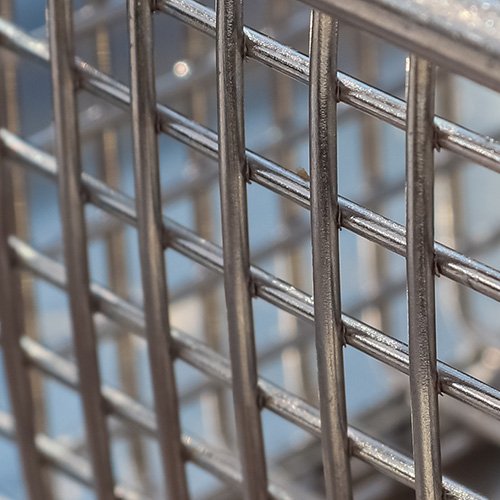
In industrial environments where cleanliness, consistency, and part protection directly affect product quality, the right cleaning equipment is essential. Parts washing baskets help manufacturers hold, separate, clean, drain, dry, and transport components through manual or automated wash processes. Whether a facility is removing machining oils, metal chips, coolant, grease, residue, polishing compounds, or other contaminants, a properly designed basket can improve cleaning results while reducing part damage and unnecessary handling.
A standard container is rarely the best choice for demanding industrial cleaning. Loose parts can shift, collide, block spray patterns, trap debris, or prevent cleaning solution from reaching critical surfaces. A custom parts cleaning basket is designed around the specific components being washed, the cleaning process being used, and the way parts move through the facility before and after washing.
For facilities using ultrasonic cleaners, spray washers, immersion tanks, conveyor wash systems, or manual cleaning stations, the right parts washer basket can help improve throughput, support cleaner results, and protect valuable components throughout the process.
Why Parts Washing Baskets Matter in Industrial Cleaning
Parts washing baskets serve as the foundation for an efficient industrial cleaning process. They do more than simply hold components inside a washer. The basket determines how parts are positioned, how cleaning solution flows around them, how contaminants drain away, and how easily operators can load, unload, and inspect the parts.
When parts are placed loosely in a washer, several problems can occur. Components may nest together and block cleaning access. Small parts may fall through openings or become trapped. Delicate surfaces may be scratched or dented. Heavy parts may damage each other as they move during the wash cycle. If the basket is not designed for drainage, cleaning fluid and debris may remain in the basket after the cycle is complete.
Custom parts washing baskets help solve these problems by holding each part in the correct position for cleaning, rinsing, drying, and transport. This can improve cleaning consistency while reducing labor, rewash cycles, scrap, and rework.
What Is a Parts Cleaning Basket?
A parts cleaning basket is a custom or standard basket used to hold components during a washing, rinsing, degreasing, sanitizing, drying, or finishing process. These baskets are commonly used in manufacturing environments where parts must be cleaned before assembly, coating, inspection, packaging, or shipment.
Depending on the application, a parts cleaning basket may be made from stainless steel wire, wire mesh, expanded metal, perforated sheet, or a combination of formed wire and fabricated metal. The design is usually based on the cleaning method, part size, material, weight, and cleanliness requirements.
Common uses include:
- Removing machining oils and metal chips from precision components
- Washing stamped, cast, formed, or fabricated parts
- Cleaning automotive and aerospace components before inspection
- Preparing parts for coating, plating, welding, or assembly
- Cleaning medical, laboratory, or food processing components
- Supporting high-volume production cleaning workflows
Because every part and cleaning process is different, custom basket design can make a major difference in cleaning performance and handling efficiency.
What Is a Parts Washer Basket?
A parts washer basket is designed specifically for use inside parts washing equipment. This may include automatic spray washers, ultrasonic tanks, immersion systems, conveyor washers, rotary washers, or cabinet-style washers. The basket must fit the washer properly while allowing water, detergent, solvent, air, or ultrasonic energy to reach the parts effectively.
A well-designed parts washer basket should support:
- Proper part spacing
- Good spray or solution access
- Fast drainage
- Easy loading and unloading
- Safe handling before and after washing
- Compatibility with washer dimensions and process requirements
- Durability under repeated wash cycles
When baskets are designed around both the part and the washer, facilities can often improve cleaning consistency without making major changes to the wash system itself.
Common Types of Parts Washing Baskets
Parts washing baskets can be made in many styles depending on the application. The best design depends on the size, weight, sensitivity, and cleanliness requirements of the parts being washed.
Stainless Steel Wire Baskets
Stainless steel is one of the most common materials for industrial parts washing baskets because it offers corrosion resistance, durability, and cleanability. Stainless steel wire baskets can withstand repeated exposure to water, detergents, cleaning chemicals, heat, and industrial wash cycles.
Stainless steel wire baskets are often used for automotive, aerospace, medical, food processing, and general manufacturing applications where long service life and consistent cleaning performance are important.
These baskets are ideal for:
- Automotive parts cleaning
- Aerospace component washing
- Medical and laboratory part handling
- Food processing equipment cleaning
- Precision machined part washing
- Industrial degreasing applications
Wire Mesh Baskets
Wire mesh baskets are useful when parts need strong containment and maximum exposure to cleaning solution. Mesh construction allows fluids and air to pass through the basket while helping contain smaller components.
Wire mesh baskets may be used for small parts, fasteners, stampings, machined pieces, or irregular components that need to remain contained during washing. Mesh size can be selected based on the smallest part dimension, drainage needs, and cleaning method.
Perforated Metal Baskets
Perforated metal baskets provide more surface support than open wire designs while still allowing fluid flow and drainage. They are often used when parts require a smoother supporting surface or when smaller openings are needed to prevent delicate components from catching, shifting, or falling through.
Perforated baskets may be useful for electronics, small assemblies, precision parts, lightweight components, or applications where extra support is needed during the cleaning cycle.
Compartmentalized Parts Washing Baskets
Some parts must be separated during washing to prevent scratches, dents, or cross-contact. Compartmentalized baskets use dividers, formed wire sections, nests, or individual pockets to hold parts in place.
This style of basket is useful for machined parts, finished surfaces, threaded components, fragile assemblies, and parts that must remain in a specific orientation during cleaning and drying.
Benefits of Custom Parts Washing Baskets
Improved Cleaning Consistency
Cleaning consistency depends on how well each part is exposed to the washing process. If parts are stacked, nested, or blocked by other components, some surfaces may not be cleaned properly. Custom baskets position parts to improve contact with spray, fluid, ultrasonic energy, or air flow.
This can reduce variation between cycles and help ensure parts are properly cleaned before moving to the next production step.
Reduced Part Damage
Parts that move freely inside a washer can collide, scratch, dent, or chip. This is especially problematic for precision-machined parts, coated components, soft metals, threaded parts, or finished surfaces.
A custom basket can include dividers, retainers, formed supports, or nesting features that hold parts securely throughout the wash cycle. By reducing part movement, manufacturers can lower the risk of scrap and rework.
Better Drainage and Faster Drying
Drainage is a major factor in cleaning efficiency. If baskets trap liquid, debris, or residue, parts may require additional drying time or secondary cleaning. Open wire, mesh, and drainage-focused basket designs help fluids exit more quickly after the wash cycle.
Better drainage can also reduce standing water, improve drying efficiency, and support cleaner handling after washing.
Higher Throughput
Custom baskets can improve throughput by making loading, washing, unloading, and transport more efficient. When parts are organized in a repeatable layout, operators can load baskets faster and move more parts through the cleaning process with less confusion.
In automated or high-volume production environments, basket consistency can also make it easier to standardize cycle times and handling procedures.
Less Manual Handling
Every transfer creates an opportunity for part damage, contamination, or delay. Custom parts washing baskets can be designed to move with the parts through multiple steps, such as staging, washing, drying, inspection, and transport.
Reducing unnecessary handling improves workflow and helps maintain cleanliness after parts are washed.
Design Considerations for Parts Washer Baskets
The best basket design begins with the part and the process. A basket that works well in one washer or application may not perform well in another. Before choosing or designing a parts washer basket, facilities should consider several important factors.
Key design considerations include:
- Part size, weight, and shape
- Part sensitivity and surface finish
- Maximum basket load capacity
- Cleaning method and wash cycle intensity
- Spray pattern, immersion depth, or ultrasonic exposure
- Drainage and drying requirements
- Washer dimensions and clearance
- Manual, conveyor, robotic, or hoist handling
- Stacking, nesting, or storage requirements
- Material and corrosion resistance needs
For example, an ultrasonic cleaning basket may need open construction that allows ultrasonic energy to reach the part surfaces. A spray washer basket may need to prevent parts from blocking spray access. A basket used in an immersion tank may need handles, lifting points, or drain-friendly geometry.
Industries That Use Parts Washing Baskets
Parts washing baskets are used across many industries where clean parts are required for assembly, inspection, finishing, or final use.
Common industries include:
- Automotive manufacturing
- Aerospace manufacturing
- Medical device production
- Food processing equipment manufacturing
- Electronics and technology manufacturing
- Metal fabrication
- Precision machining
- Industrial maintenance and repair
- Stamping and forming operations
- Plating, coating, and finishing operations
In each industry, baskets may need to meet different requirements for strength, cleanliness, drainage, corrosion resistance, and part protection.
Integrating Custom Baskets Into Your Cleaning Workflow
A parts washing basket should fit into the full cleaning workflow, not just the wash machine. Facilities should consider how parts are loaded before washing, how baskets are moved into and out of the washer, how parts dry, how clean parts are inspected, and how they are transported to the next step.
Salco Engineering designs custom parts washing baskets that integrate with immersion tanks, conveyor washers, manual wash stations, spray washers, robotic handling systems, and ultrasonic cleaning baskets. Basket features may include handles, lids, dividers, formed frames, reinforced edges, stackable designs, and custom drainage patterns.
For facilities already using industrial wash systems, a custom basket can often improve part exposure, reduce handling, and support better cleaning results without replacing the entire cleaning system.
Improve Industrial Cleaning with Custom Parts Washing Baskets
Custom parts washing baskets are more than simple containers. They are engineered tools that help improve cleaning quality, protect valuable components, reduce unnecessary handling, and support efficient industrial workflows. The right parts cleaning basket can help parts remain properly positioned, separated, drained, and ready for the next step in production.
Whether your facility needs a stainless steel parts washer basket for high-volume automotive production, a mesh basket for precision parts, a compartmentalized basket for delicate components, or a custom basket for ultrasonic cleaning, Salco Engineering can design a solution around your process.
To discuss custom parts washing baskets for your facility, contact Salco Engineering today.