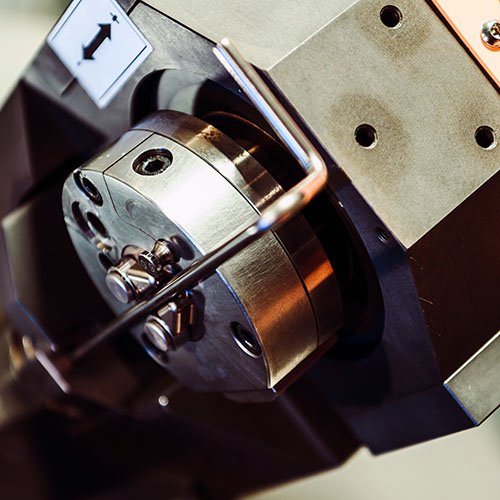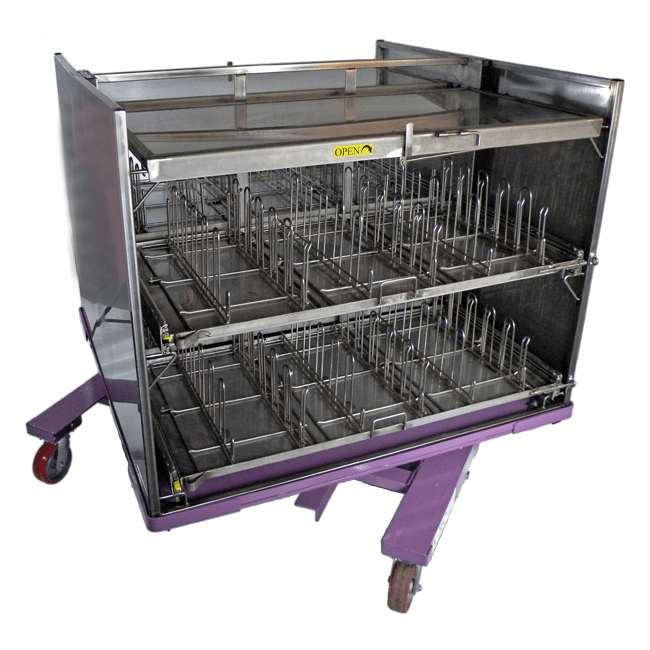
pharmaceutical baskets

Pharmaceutical Baskets for Hygienic Material Handling in Regulated Manufacturing Environments

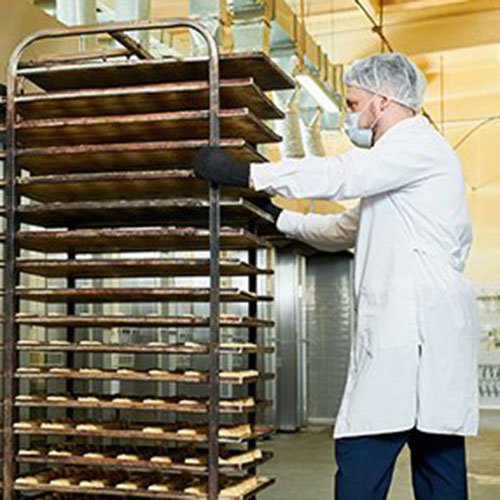
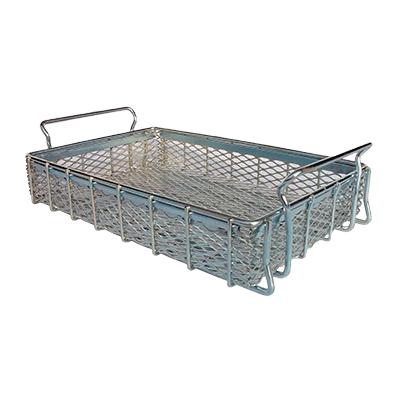
In pharmaceutical manufacturing, hygiene is not optional—it is foundational. Every stage of production, from raw ingredient handling to final packaging, must meet strict regulatory standards to ensure product purity and patient safety. While much attention is given to cleanrooms, filtration systems, and sterilization equipment, one critical component of compliance is often overlooked: hygienic material handling.

(more…)

Read More
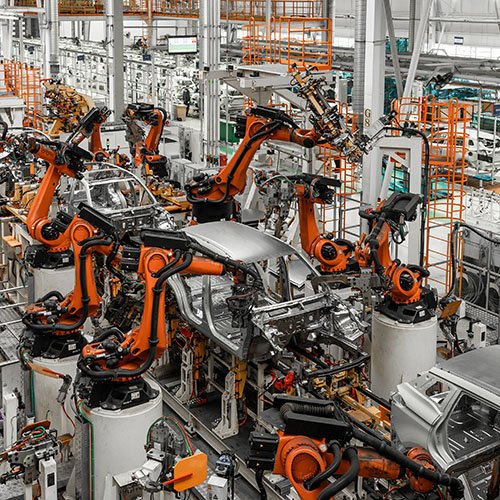
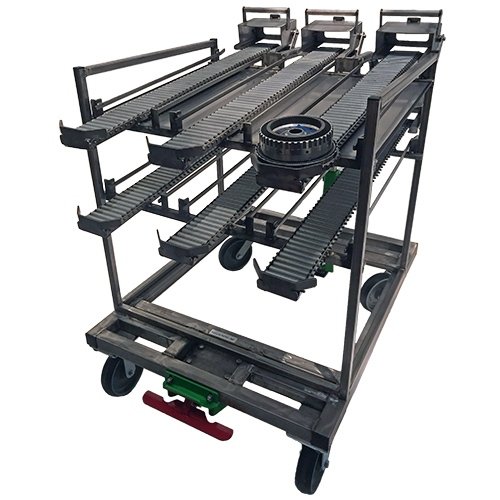
carts for automotive parts

Carts for Automotive Parts: Improve Manufacturing Efficiency

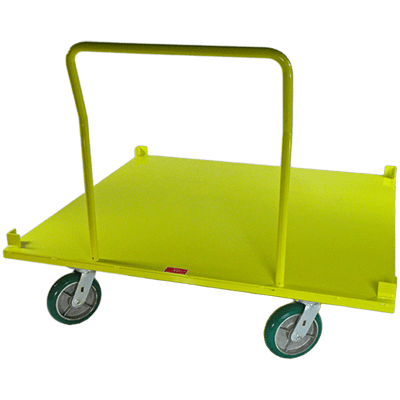
The automotive industry is built on precision, speed, and reliability. Every second counts, and every component must move through production without error or delay. As manufacturers adopt more advanced automation and lean manufacturing principles, the demand for streamlined material handling solutions has increased. One proven solution is the use of specialized carts for automotive parts. These carts improve workflow efficiency, enhance worker safety, and optimize inventory management within high-volume manufacturing environments.

(more…)

Read More
ev component cleaning

EV Component Cleaning: Improving Quality with Stainless Steel EV Baskets

As electric vehicles continue to reshape the automotive industry, EV automotive manufacturing demands higher levels of precision, cleanliness, and quality control than ever before. EV component cleaning has become a critical step in ensuring performance, safety, and long-term reliability across battery systems, electric drivetrains, and sensitive electronic assemblies.

(more…)

Read More
custom industrial utility carts

Custom Industrial Utility Carts: Improving Warehouse Efficiency and Material Handling

Warehouse operations depend heavily on efficient material handling systems. From receiving inventory and staging products to order fulfillment and shipping, every step requires reliable equipment that keeps workflows moving smoothly. One of the most practical and widely used solutions in modern warehouses is the industrial utility cart.

Custom industrial utility carts provide flexibility, durability, and organization that standard carts often cannot match. When designed specifically for a warehouse environment, these carts help streamline operations, improve worker safety, and maximize productivity across the entire facility.

Salco Engineering & Manufacturing designs and builds custom industrial utility carts tailored to the specific needs of warehouses, manufacturing plants, and distribution centers.

Why Industrial Utility Carts Are Essential in Warehouse Operations

Warehouses handle a wide variety of materials, tools, and products throughout the workday. Workers frequently transport inventory between storage racks, picking stations, packing areas, and loading docks. Without reliable transportation solutions, these tasks become slower, less efficient, and more physically demanding.

Industrial utility carts provide a practical way to move materials quickly while keeping items organized and protected. These carts allow warehouse employees to transport multiple items in a single trip, reducing unnecessary walking and manual carrying.

Well-designed carts help warehouses:

  • Improve material handling efficiency
  • Reduce worker fatigue and lifting injuries
  • Keep tools and inventory organized
  • Increase productivity across multiple departments
  • Support faster order picking and fulfillment

Because every warehouse has different operational needs, custom carts often provide the best results.

Enhanced Mobility for Fast-Paced Work Environments

Mobility is one of the most important advantages of industrial utility carts. In busy warehouse environments, workers must move quickly between aisles, staging areas, and workstations.

Custom carts are designed with durable casters that allow them to move easily across warehouse floors while supporting heavy loads. Swivel wheels provide tight turning ability in narrow aisles, while locking casters keep carts stable during loading and unloading.

Many custom designs also include ergonomic push handles that allow workers to maneuver carts comfortably while maintaining control of heavy loads.

High-quality wheels and balanced cart designs help improve workflow efficiency while minimizing strain on workers.

Optimizing Warehouse Space and Organization

Warehouse floor space is valuable, and efficient space utilization is essential for maintaining organized inventory and clear traffic pathways. Custom industrial utility carts can be designed to match the layout and workflow of the warehouse.

Features such as multiple shelving levels, bins, drawers, and dividers allow workers to organize tools, parts, and inventory while transporting them through the facility.

Salco manufactures custom industrial carts and trolleys that can be built to specific dimensions, ensuring they fit seamlessly into warehouse aisles, workstations, and storage areas.

Organized carts help reduce clutter, improve visibility of materials, and allow workers to quickly locate the items they need.

Improving Productivity in Order Picking and Fulfillment

Order picking and packing operations are critical functions in warehouse environments. Workers often need to collect multiple products from different locations before preparing shipments.

Industrial utility carts allow employees to transport several orders or multiple product types at once, reducing travel time and improving picking efficiency.

Customized cart features may include:

  • Multiple tier shelves for separating orders
  • Removable bins for small parts and components
  • Drawer slide trays for easy access to inventory
  • Labeling areas for order identification
  • Integrated storage for scanners or packing tools

These features help streamline the picking process and reduce handling time for each order.

Heavy-Duty Construction for Demanding Warehouse Use

Warehouse equipment must withstand continuous use, heavy loads, and harsh operating conditions. Custom industrial utility carts are typically built using heavy-duty steel frames and reinforced structural components to ensure long-term durability.

Unlike lightweight consumer carts, industrial carts are engineered to handle demanding material handling tasks. Heavy-duty construction ensures that carts remain stable and reliable even when transporting large or irregularly shaped items.

Many custom carts are manufactured using precision custom steel fabrication techniques, allowing manufacturers to create equipment designed specifically for industrial environments.

Durable steel construction helps extend equipment lifespan while minimizing maintenance and replacement costs.

Safety Benefits of Custom Industrial Utility Carts

Workplace safety is a top priority in warehouse operations. Poorly designed equipment or excessive manual lifting can lead to injuries, accidents, and lost productivity.

Custom industrial utility carts improve workplace safety by reducing the need for workers to carry heavy items manually. When designed properly, carts help distribute weight evenly and allow materials to be transported with minimal effort.

Safety-focused features may include:

  • Locking swivel casters to prevent unintended movement
  • Raised edges or rails to prevent items from falling
  • Non-slip surfaces for stable loading
  • Balanced load distribution for improved control
  • Ergonomic handles for comfortable operation

These design elements help create safer working environments while improving overall efficiency.

Customization Options for Specialized Warehouse Tasks

Every warehouse operates differently, and standard carts often fail to meet specific operational needs. Custom industrial utility carts allow companies to design equipment tailored to their exact workflows.

Customization options may include:

  • Specific cart dimensions for tight aisle spaces
  • Shelving systems designed for particular inventory types
  • Rotating cart bases for improved accessibility
  • Gas-shock assisted shelves for ergonomic lifting
  • Drawer-slide platforms for heavy components

By designing carts around the materials being transported, warehouses can create more efficient workflows and reduce unnecessary handling steps.

Custom Industrial Utility Cart Solutions from Salco

Salco Engineering & Manufacturing has decades of experience designing custom material handling equipment for warehouses and industrial facilities. Our team works closely with clients to understand their operational challenges and develop equipment solutions that improve efficiency and productivity.

From heavy-duty industrial utility carts to specialized material handling containers, Salco delivers equipment built for demanding warehouse environments.

If your warehouse is looking to improve workflow efficiency and material handling performance, request a quote from Salco today to discuss your custom cart project.

Read More
prototyping solutions - 3d printing

Improving Production Efficiency Through Prototyping in Manufacturing

In modern manufacturing, improving production efficiency requires careful planning, testing, and refinement before full-scale manufacturing begins. Prototyping plays a critical role in this process by allowing manufacturers to test new ideas, validate designs, and identify potential issues early in development. By creating prototypes before moving to production, companies can reduce costly mistakes, improve product performance, and streamline manufacturing workflows.

At Salco Engineering & Manufacturing, prototyping is an important part of the product development process. From custom material handling equipment to specialized wire products and steel fabrication projects, prototyping helps manufacturers turn concepts into practical, production-ready solutions.

What Is Prototyping in Manufacturing?

Prototyping is the process of creating an early physical model of a product or component before full production begins. These early versions allow engineers, designers, and production teams to evaluate how a design performs in real-world conditions.

Prototypes can vary in complexity depending on the project. Some prototypes are simple concept models used for visualization, while others are fully functional units used for performance testing and workflow evaluation.

Manufacturers rely on prototyping to:

  • Evaluate product functionality and durability
  • Test assembly methods and production workflows
  • Identify design flaws before manufacturing begins
  • Gather feedback from engineers and operators
  • Reduce risk before committing to full production

By testing designs early, manufacturers gain valuable insights that help improve final product quality and production efficiency.

The Importance of Prototyping in Product Development

Prototyping acts as the bridge between concept design and full-scale manufacturing. Instead of moving directly from design to production, prototypes allow teams to verify that a product performs as intended.

For companies producing custom industrial equipment, prototypes help validate structural strength, ergonomics, and manufacturability. This process ensures that the final design is not only functional but also practical to manufacture at scale.

Prototyping also helps companies reduce the risks associated with launching new products. By identifying issues early, manufacturers can make adjustments before investing in large production runs.

Detecting Design Flaws Early

One of the most valuable benefits of prototyping is the ability to detect design flaws early in the development process. Even the most carefully designed products may reveal unforeseen issues once they are physically built and tested.

By building a prototype, engineers can evaluate critical aspects such as:

  • Structural integrity
  • Part fit and alignment
  • Weight distribution
  • Ease of assembly
  • Durability under real-world conditions

Detecting these issues early prevents expensive redesigns later in production. It also reduces the risk of product failures, manufacturing delays, or costly recalls.

Iterative Design and Continuous Improvement

Prototyping is rarely a one-step process. Instead, it is typically an iterative cycle where designs are tested, evaluated, improved, and retested.

Each prototype provides valuable data that engineers use to refine the design. This continuous improvement process leads to stronger, more efficient products that are easier to manufacture.

For example, when developing custom material handling equipment such as industrial carts or steel baskets, prototypes can help determine:

  • Optimal frame structures
  • Material thickness requirements
  • Wheel placement and mobility performance
  • Load capacity limits
  • Ergonomic handling features

This iterative refinement ensures that the final design is optimized for performance, durability, and manufacturing efficiency.

Improving Production Workflows

Prototyping also helps manufacturers optimize their production workflows. By testing how a product is assembled and handled during the prototyping phase, manufacturers can identify inefficiencies in the manufacturing process.

For example, prototypes may reveal:

  • Complex assembly steps that slow production
  • Components that require redesign for easier fabrication
  • Opportunities to reduce material waste
  • Ways to simplify welding or machining operations

Addressing these issues before full production begins helps streamline manufacturing processes and improve overall productivity.

Companies that incorporate prototyping into their workflow often see improvements in production speed, quality control, and consistency.

Enhancing Collaboration Between Design and Production Teams

Prototypes also improve communication between engineering, production, and management teams. While digital designs are valuable, physical prototypes provide a tangible reference that everyone can evaluate.

Engineers can analyze structural performance, production teams can assess manufacturability, and decision-makers can visualize how the final product will function.

This collaborative approach leads to better decision-making and helps ensure that designs align with real-world manufacturing capabilities.

At Salco, prototyping is closely integrated with our broader capabilities in custom steel fabrication and industrial manufacturing. This allows designs to move seamlessly from concept to production.

Reducing Production Costs and Time-to-Market

Although prototyping requires an initial investment of time and resources, it often results in significant cost savings over the life of a project.

By identifying and correcting issues early, manufacturers avoid expensive rework, production delays, and material waste. This leads to more predictable production timelines and faster product launches.

Key cost-saving benefits of prototyping include:

  • Reduced engineering revisions
  • Lower production scrap rates
  • Improved manufacturing efficiency
  • Faster time-to-market for new products

These advantages make prototyping an essential strategy for companies seeking to remain competitive in today’s fast-paced manufacturing environment.

Prototyping for Custom Industrial Equipment

Prototyping is especially valuable for companies developing custom industrial products. Material handling equipment, wire baskets, racks, and specialized carts often require unique designs tailored to specific applications.

By building prototypes, manufacturers can ensure that these custom solutions meet performance requirements before production begins.

For example, prototyping may be used when developing:

  • Custom industrial carts for manufacturing facilities
  • Wire baskets designed to hold automotive components
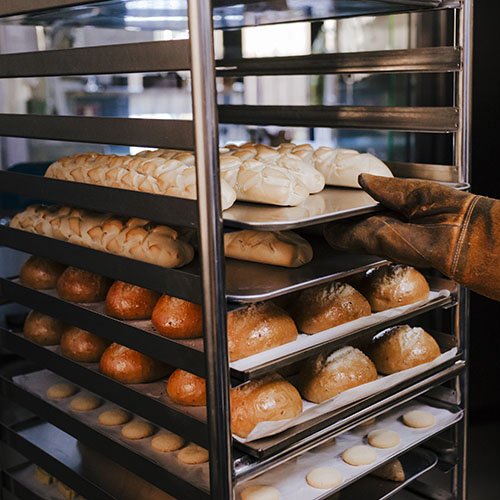
  • Bakery racks for high-volume food production
  • Material handling containers for automated production lines

This process allows manufacturers to refine designs and verify performance under real operating conditions.

Prototyping Services at Salco Engineering & Manufacturing

Salco Engineering & Manufacturing provides comprehensive prototyping capabilities that help manufacturers bring new ideas to life while improving production efficiency. By combining engineering expertise with advanced fabrication equipment, Salco develops prototypes that accurately reflect final production designs.

Through our design and prototyping services, clients can test new product concepts, validate designs, and optimize manufacturing workflows before committing to large production runs.

This approach allows companies to reduce development risks while ensuring that their final products meet performance expectations.

Start Your Next Project with Salco

Prototyping is one of the most effective tools manufacturers can use to improve production efficiency, reduce costs, and deliver better products. By testing and refining designs early in development, companies gain valuable insights that lead to stronger and more reliable products.

If your company is developing a new product or custom manufacturing solution, Salco Engineering & Manufacturing can help turn your concept into a production-ready design.

Contact Salco today to discuss your project and learn how prototyping can improve your manufacturing process.

Read More
automotive cart

Streamlining Automotive Manufacturing with Custom Industrial Solutions

Automotive manufacturing is one of the most demanding production environments in the world. Manufacturers must produce large volumes of precision components while maintaining strict quality standards and tight delivery schedules. To remain competitive, automotive facilities must continuously improve efficiency, reduce production delays, and optimize material handling across every stage of the assembly process.

Custom manufacturing solutions play a critical role in achieving these goals. Tailored equipment such as industrial carts, steel baskets, specialized racks, and custom tooling can significantly improve workflow efficiency while reducing handling time and production bottlenecks.

Salco Engineering & Manufacturing specializes in designing and fabricating custom equipment that helps automotive manufacturers streamline production processes and improve overall operational efficiency.

The Importance of Efficiency in Automotive Manufacturing

Efficiency directly affects the productivity and profitability of automotive manufacturing operations. Assembly lines rely on precise coordination between workers, machines, and material handling systems. Even small inefficiencies can lead to delays that disrupt production schedules and increase operating costs.

Improving efficiency helps manufacturers:

  • Increase production output without expanding facilities
  • Reduce production downtime and bottlenecks
  • Lower labor and material handling costs
  • Improve product quality and consistency
  • Maintain competitive production timelines

By identifying inefficiencies and implementing custom manufacturing solutions, automotive plants can optimize workflows and improve the reliability of their production systems.

Custom Industrial Carts for Automotive Material Handling

Material handling plays a major role in automotive manufacturing efficiency. Components must move quickly and safely between machining stations, assembly lines, inspection areas, and packaging departments.

Custom-designed industrial carts and trolleys help streamline these processes by providing reliable transportation for parts and tools throughout the facility.

Unlike standard carts, custom industrial carts are engineered to match the exact needs of the production environment. These carts can include features such as:

  • Heavy-duty steel frames for high load capacity
  • Multiple shelving levels for organized part transport
  • Drawer-slide trays for easy component access
  • Gas-shock lift shelves for ergonomic loading
  • Locking swivel casters for improved safety

When carts are designed specifically for the components they carry, they improve workflow efficiency while reducing worker fatigue and material handling errors.

Steel Baskets for Automotive Parts Handling

Automotive components such as gears, fasteners, and machined parts require secure containment during manufacturing processes. Steel baskets are commonly used to hold parts during washing, heat treatment, finishing, and transportation between production stages.

Custom steel wire baskets allow manufacturers to protect parts while maintaining efficient handling. These baskets can be designed with reinforced frames, open mesh construction for fluid circulation, and partitions that prevent parts from contacting each other.

Steel baskets are especially useful for:

  • Parts washing and degreasing operations
  • Heat treatment and quenching processes
  • Automated conveyor systems
  • Staging parts between machining and assembly

Custom basket designs ensure components remain secure and organized throughout the manufacturing process.

Automation and Robotics in Automotive Production

Automation continues to transform automotive manufacturing by improving speed, accuracy, and production consistency. Robotic assembly systems, automated guided vehicles (AGVs), and conveyor systems are increasingly used to move materials and perform repetitive tasks.

Custom material handling equipment designed for automated systems allows manufacturers to fully integrate robotics into their production lines. Specialized containers, baskets, and carts can be engineered to work with robotic arms and automated transport systems.

This integration helps manufacturers achieve:

  • Faster production cycles
  • Reduced labor requirements
  • Improved consistency and product quality
  • Greater production scalability

By combining automation with custom material handling solutions, automotive manufacturers can significantly improve operational efficiency.

Ergonomic Workstations for Improved Productivity

Worker ergonomics are another important factor in automotive manufacturing efficiency. Employees often perform repetitive tasks or handle heavy components throughout their shifts. Poorly designed workstations can lead to fatigue, injuries, and reduced productivity.

Custom workstations designed for automotive production environments help improve comfort and efficiency by providing:

  • Proper working heights for assembly operations
  • Easy access to tools and components
  • Organized storage for parts and materials
  • Reduced bending and reaching during tasks

Ergonomic improvements not only enhance worker safety but also contribute to higher productivity and fewer workplace injuries.

Precision Tooling and Fixturing for Automotive Assembly

Accurate tooling and fixturing are essential for maintaining consistent product quality in automotive manufacturing. Custom fixtures help ensure parts are positioned correctly during machining, welding, and assembly operations.

Precision fixtures allow manufacturers to:

  • Improve alignment and assembly accuracy
  • Reduce production variation
  • Minimize rework and scrap
  • Increase production speed

Many of these solutions are developed using advanced custom steel fabrication techniques that allow manufacturers to produce durable tooling designed for demanding production environments.

Lean Manufacturing and Continuous Improvement

Lean manufacturing principles are widely used in automotive production to reduce waste and improve efficiency. These principles focus on identifying non-value-added activities and optimizing production processes.

Custom manufacturing solutions support lean initiatives by helping manufacturers:

  • Reduce unnecessary material handling
  • Improve workplace organization
  • Standardize production processes
  • Minimize production delays

Equipment designed specifically for a facility’s workflow allows teams to implement lean manufacturing practices more effectively.

Custom Automotive Manufacturing Solutions from Salco

Salco Engineering & Manufacturing provides custom equipment designed to improve efficiency across automotive manufacturing operations. With decades of experience in material handling design and fabrication, Salco develops tailored solutions that help manufacturers optimize production flow and improve workplace safety.

From industrial carts and steel baskets to custom racks and fabrication projects, Salco delivers durable equipment designed for the demanding conditions of automotive production facilities.

If your manufacturing operation is looking to improve efficiency with custom-engineered solutions, request a quote today to discuss your next project.

Read More
wire baskets for automotive parts washing

Wire Baskets for Automotive Parts Washing: Key Features

In automotive manufacturing and remanufacturing, the quality of parts cleaning directly impacts downstream processes such as coating, assembly, and inspection. Wire baskets play a central role in this process by securely holding components during ultrasonic washing, spray washing, or immersion cleaning cycles. Choosing the right automotive parts washing basket ensures consistent cleanliness, prevents component damage, and increases process efficiency.

(more…)

Read More