custom metal displays retail

Custom Metal Displays: Durable and Versatile Solutions for Retail Spaces

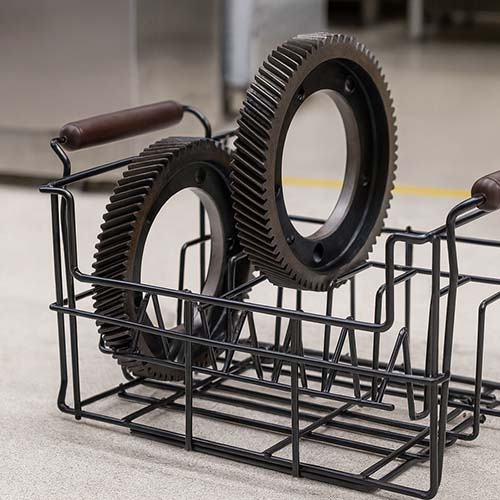
The need to capture customers’ attention in retail settings and create unique shopping experiences is more critical than ever. In this dynamic environment, custom metal displays are emerging as innovative retail solutions that offer versatility, durability, and a touch of modern aesthetics. In this article, we’ll explore how custom metal displays enhance retail spaces and how Salco Engineering can help you make a lasting impression.

(more…)

Read More
bread displays commercial retail

High-Quality Bread Displays for Commercial and Retail Use

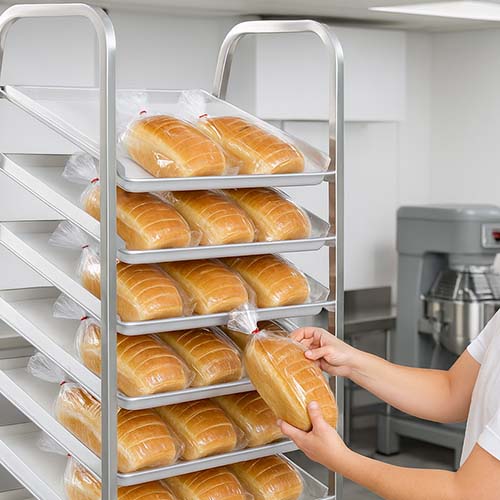
A well-designed bread display is far more than a storage solution. In bakeries, supermarkets, and retail environments, the right display directly impacts product visibility, customer engagement, freshness, and overall sales performance. When bakery items are neatly presented on sturdy, well-organized racks, customers can browse more easily, employees can restock more efficiently, and businesses can maintain an appealing, high-functioning bakery section.

(more…)

Read More
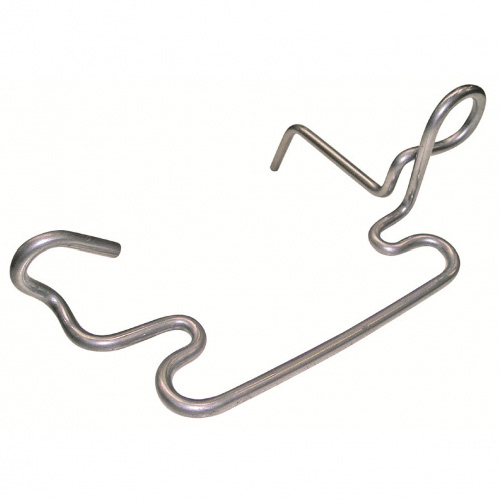
wire forming company

Choosing a Wire Forming Company for Precision Manufacturing

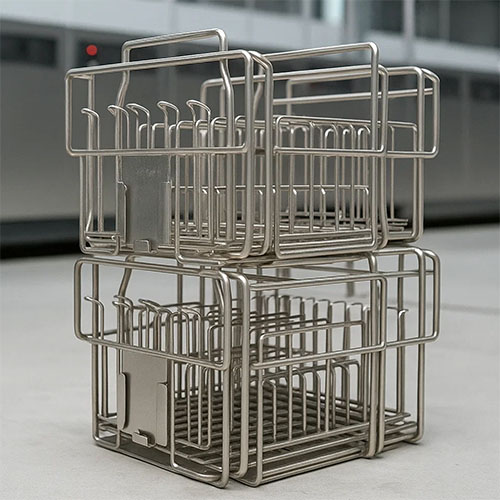
In today’s competitive industrial landscape, precision manufacturing is the cornerstone of success for businesses across a variety of industries. Whether producing components for the automotive, aerospace, medical, or electronics sectors, precision and quality are critical. A reliable wire forming company can play a crucial role in achieving these standards. This article explores what to look for when choosing a wire forming company to ensure the highest levels of quality and precision manufacturing.

(more…)

Read More
stainless steel or carbon steel

Comparing Stainless Steel and Carbon Steel for Industrial Applications

Stainless steel is known for its corrosion resistance and durability, making it an excellent choice for environments where moisture and harsh substances are present. It contains a minimum of 10.5% chromium, which creates a protective oxide layer on the surface, preventing rust and corrosion. This makes stainless steel ideal for applications such as food processing, chemical plants, and marine environments. Carbon steel is a versatile material that is widely used in various industries. It is known for its strength and cost-effectiveness. Carbon steel contains a higher carbon content, which increases its hardness and strength. It is commonly used in applications such as construction, automotive manufacturing, and machinery. By understanding the differences between stainless steel and carbon steel, you can choose the right material that suits your specific industrial requirements. Let’s dive deeper into the comparison to help you make a well-informed decision.

(more…)

Read More
nylon coating

Nylon Coating vs. Other Finishes: Protective Coatings for Wire Baskets

Wire baskets are essential tools in industries such as automotive, aerospace, electronics, medical, and general manufacturing. They protect, transport, and store sensitive components throughout production, cleaning, and finishing processes. While the base material of a wire basket contributes to its strength, the protective coating is what ultimately safeguards delicate parts against scratches, corrosion, and impact.

(more…)

Read More
auto manufacturing material handling

Auto Manufacturing: The Role of Material Handling and Automation in 2024

The automotive industry is showing signs of recovery after years of supply chain disruptions caused by the pandemic and other global issues. Companies have implemented new risk management strategies and leveraged technology to ensure smoother operations, leading to a more resilient supply chain. While environmental challenges and political instability persist, the auto manufacturing sector has largely adjusted to the “new normal” and is working to bring production levels back to pre-pandemic norms.

(more…)

Read More
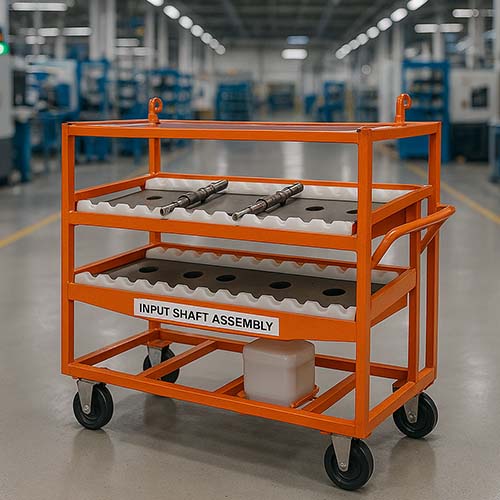
rolling cart

Industrial Rolling Carts: Essential Solutions for Efficient Material Handling

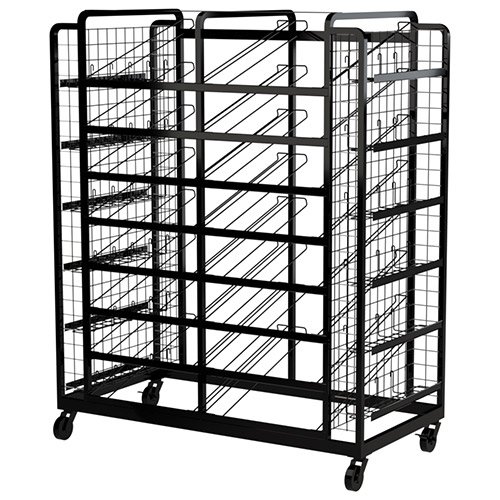
Rolling carts have become an essential tool in manufacturing plants, warehouses, automotive facilities, and many other industrial environments. Designed to move materials quickly and safely, rolling carts help improve productivity, reduce worker fatigue, and streamline workflows throughout a facility. Industrial rolling carts, in particular, are engineered for demanding environments where durability, load capacity, and reliability are critical.

From transporting tools and components to staging products for assembly or shipping, rolling carts provide flexible material handling solutions that support modern production and logistics operations. When designed properly, these carts can dramatically improve operational efficiency and workplace safety.

What Are Rolling Carts?

Rolling carts are mobile material handling platforms equipped with wheels or casters that allow them to move easily across workspaces. These carts are commonly used to transport tools, materials, components, and equipment between workstations or storage areas.

In industrial settings, carts are built with stronger frames and higher load capacities than standard consumer carts. Industrial carts are typically constructed from steel or stainless steel and are designed to withstand heavy loads, frequent movement, and harsh environments.

These carts are widely used across many industries, including:

  • Manufacturing facilities
  • Automotive production plants
  • Warehousing and distribution centers
  • Food processing operations
  • Healthcare and laboratory environments

Because they are mobile, durable, and customizable, rolling carts are one of the most versatile pieces of equipment used in industrial material handling systems.

Types of Industrial Rolling Carts

Industrial carts are available in many configurations depending on the type of materials being transported and the requirements of the workspace.

Utility Rolling Carts

Utility carts are general-purpose rolling carts used to move tools, small parts, supplies, and equipment. They often include flat surfaces or shelves for organizing items and are commonly used in maintenance departments, manufacturing workstations, and warehouses.

Shelving Rolling Carts

Shelving carts feature multiple levels that allow workers to transport several items at once while keeping them organized. These carts are commonly used in assembly lines and warehouse picking operations where parts must remain separated and accessible.

Tool Rolling Carts

Tool carts are specifically designed to store and transport tools used by technicians, mechanics, and maintenance personnel. These carts often include drawers, compartments, and lockable storage areas.

Heavy-Duty Industrial Rolling Carts

Heavy-duty carts are built for transporting large or heavy components in industrial environments. These carts are typically made from reinforced steel frames and equipped with high-capacity casters to support substantial loads.

Many facilities use heavy-duty carts alongside equipment such as industrial carts for warehouse management to improve efficiency in material handling operations.

Benefits of Industrial Rolling Carts

Rolling carts offer numerous advantages that make them indispensable in industrial operations.

Improved Workflow Efficiency

One of the biggest advantages of rolling carts is their ability to move materials quickly between workstations. Instead of carrying components manually, employees can transport larger quantities of materials at once, reducing handling time and increasing productivity.

Reduced Worker Fatigue

Moving heavy parts or equipment by hand can lead to fatigue and potential injuries. Industrial rolling carts reduce the physical strain on workers by allowing materials to be transported safely with minimal effort.

Better Organization

Many industrial carts include shelves, bins, or compartments that help organize tools and materials. This improves workflow efficiency by ensuring that workers can quickly locate the items they need.

Flexibility in Production Environments

Because these carts are mobile, they can be easily repositioned to support changing production layouts. This flexibility is especially valuable in lean manufacturing environments where workflows frequently evolve.

Durability for Industrial Use

Industrial carts are built with strong materials such as steel to handle demanding work environments. Many manufacturers rely on carts produced through custom steel fabrication to ensure long-term durability.

Common Applications for Industrial Rolling Carts

Industrial rolling carts support a wide range of operations across many industries.

Manufacturing Facilities

In manufacturing plants, industrial carts are used to transport raw materials, work-in-process components, and finished products between workstations. These carts help maintain smooth production flow while reducing unnecessary movement of workers.

Warehousing and Distribution

Warehouses rely heavily on industrial carts for order picking, staging shipments, and transporting inventory. Multi-shelf carts allow workers to move several items simultaneously while keeping orders organized.

Automotive Manufacturing

Automotive assembly lines frequently use carts to transport parts and tools between work areas. These carts often integrate with specialized material handling equipment such as steel wire baskets designed to securely hold automotive components.

Healthcare and Laboratory Environments

Hospitals and laboratories use stainless steel carts to transport instruments, medical supplies, and equipment. These carts are often designed with hygienic materials that support strict sanitation requirements.

Food Processing Facilities

In food manufacturing environments, stainless steel carts are used to transport ingredients, trays, and equipment while maintaining sanitary conditions.

Choosing the Right Rolling Cart for Your Facility

Selecting the right rolling cart depends on several important factors.

Material Construction

Steel carts provide the durability needed for heavy industrial applications. Stainless steel carts are often preferred in environments that require corrosion resistance and frequent cleaning.

Load Capacity

The cart should be designed to safely support the weight of the materials being transported. Heavy-duty carts require reinforced frames and high-capacity casters.

Caster Design

Casters determine how easily the cart moves. Swivel casters provide maneuverability, while rigid casters improve directional stability. Locking brakes add safety by preventing unwanted movement.

Customization Options

Custom carts can include specialized shelving, compartments, tool holders, and part organizers designed to match specific workflows.

Custom Industrial Rolling Carts from Salco

Salco Engineering & Manufacturing specializes in designing and building custom industrial carts for manufacturing, warehouse, and industrial applications. With decades of experience in material handling design and steel fabrication, Salco produces durable carts engineered to meet the exact needs of each facility.

Whether you need heavy-duty carts for manufacturing operations or customized carts designed for specialized equipment, Salco can provide a solution tailored to your workflow.

To learn more about custom industrial rolling carts and material handling solutions, Contact Salco today to discuss your project and request a quote.

Read More
stainless steel carts industrial

Stainless Steel Carts in Industrial Settings: Uses and Benefits

Stainless steel carts are essential tools in modern industrial environments. Their durability, cleanability, and structural strength make them ideal for manufacturing facilities, warehouses, laboratories, cleanrooms, and food production plants. Because stainless steel resists corrosion, supports heavy loads, and maintains hygiene standards far better than other materials, these carts have become a go-to solution for environments where efficiency and sanitation matter most.

(more…)

Read More
bakery tray rack

Industry Insights: What to Look for in a Bakery Tray Rack

Every successful bakery relies on efficiency, organization, and food safety. A crucial element that contributes to all three is the bakery tray rack. These racks, sometimes called bakery storage racks or sheet pan racks, ensure baked goods are stored and transported safely, maximizing productivity while protecting product quality. But with so many options available, how do you choose the right bakery tray rack for your needs? This article explores key considerations such as materials, casters, rack design, and manufacturer expertise to help you make the best investment for your bakery.

(more…)

Read More
logistics operations custom carts and baskets

Streamlining Logistics Operations with Custom Carts and Baskets

In the logistics industry, efficiency and precision are paramount. The ability to move goods quickly and accurately can make the difference between a profitable operation and one that struggles to meet deadlines and customer expectations. One way to enhance efficiency and streamline logistics operations is by using custom carts and baskets. These tailored solutions offer numerous benefits, from improving workflow to reducing damage to goods. In this article, we will explore how custom carts and baskets can revolutionize logistics operations.

(more…)

Read More